Understanding Delta 9 Distillate and Its Role in Cannabis Concentrates
When I first started working with cannabis concentrates, the term "distillate" felt like it belonged more in a chemistry lab than on a dispensary shelf. But after spending time with different extraction methods and talking to producers, I came to see distillates as one of the most honest forms of cannabis concentrate available. They strip away the noise and leave you with something that reflects the plant's core chemistry. Among these, delta 9 distillate has a particular reputation that deserves a closer look.
Delta 9 tetrahydrocannabinol is the cannabinoid most people associate with the psychoactive effects of cannabis. When it appears in distillate form, you are looking at a product that has been refined through a careful distillation process to concentrate that specific compound. This is not the same as a crude extract or a simple tincture. The distillation process, often involving short-path or wiped-film distillation, separates compounds by their boiling points under vacuum. The result is a THC distillate that can reach high levels of purity without the need for chemical solvents.
What Makes Delta 9 Distillate Different
Delta 9 distillate sits alongside other refined products like delta 8 distillate, but the two are not interchangeable. Delta 8 is a minor cannabinoid that produces a milder, more clear-headed experience. Delta 9 is the heavyweight. When you have a delta 9 distillate, you are working with a cannabis concentrate that has been engineered to deliver a predictable and potent effect. That consistency matters for anyone who relies on precise dosing, whether for medical reasons or personal preference.
One of the things I appreciate about distillates is how they handle the terpene profile. In a full-spectrum extract, you get the full range of terpenes and cannabinoids, which is great for depth of effect. But distillates can be tuned. A producer can choose to preserve certain terpenes during the distillation process, or strip them away to create a nearly odorless and flavorless base. The choice depends on the intended use. For someone filling a distillate cartridge, a cleaner profile often means less residue and better performance in a cannabis vape.

The Process Behind the Product
Making delta 9 distillate starts with biomass that has been dried and sometimes decarboxylated. The first step is often a CO2 extraction or ethanol extraction to pull the cannabinoids out of the plant material. That crude extract then goes into the distillation equipment. The short-path distillation method is common because it operates under low pressure and moderate temperatures, which helps preserve the cannabinoid profile. If you heat THC too much, it degrades into CBN, and you lose the delta 9 content. Good producers monitor their temperature curves carefully.
After distillation, the product may be winterized to remove waxes and lipids. The final material is a solvent-free distillate, meaning there are no residual hydrocarbons or chemical residues from the extraction step. This is important for anyone who is sensitive to additives or who wants a clean inhalation experience. A solvent-free distillate also tends to produce less harsh vapor when used in a vape cartridge or for dabbing.
Practical Uses for Delta 9 Distillate
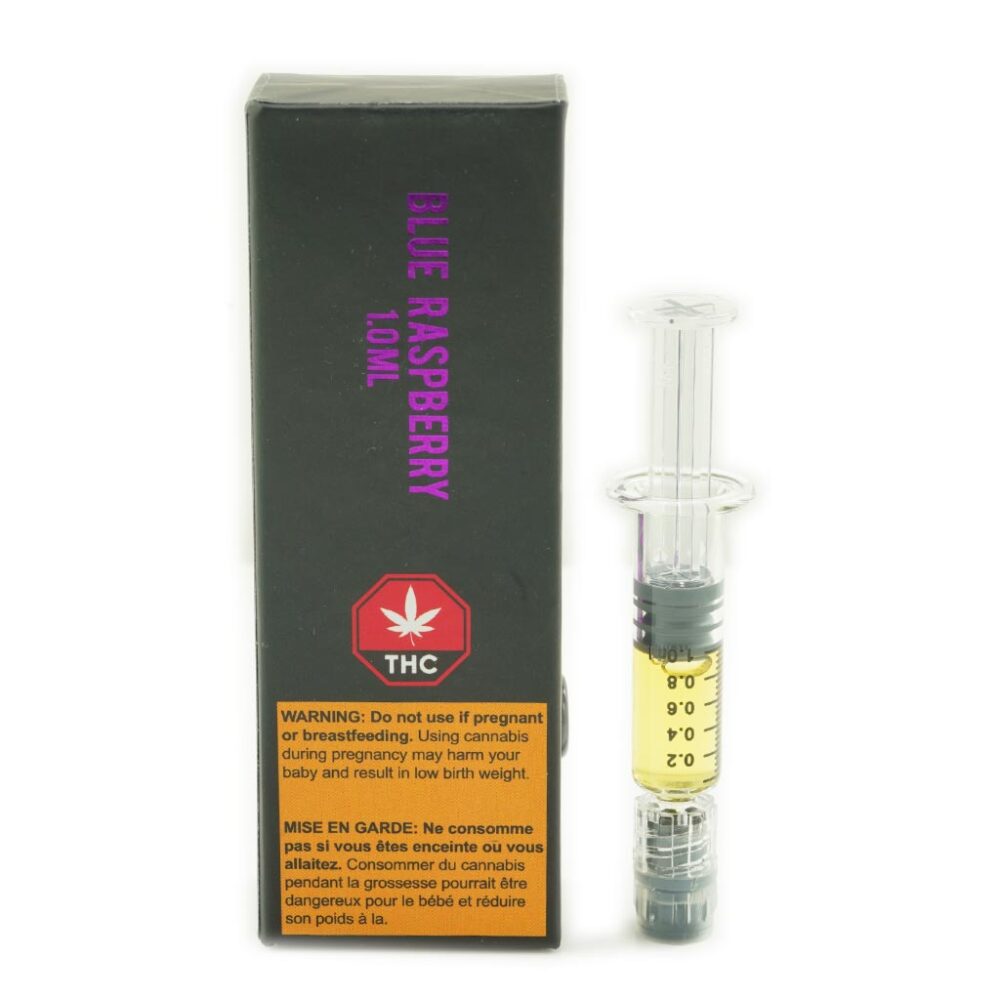
Delta 9 distillate is versatile. It can be used to fill branded syringes for precise dosing, blended into cannabis oil tinctures, or loaded into a distillate cartridge for a portable vape. The consistency of the distillate makes it easier to work with than sticky resin or waxy concentrates. I have seen producers use it to create standardized batches of indica distillate and sativa distillate, adjusting the ratio of other cannabinoids to steer the effect toward relaxation or stimulation.
For dabbing, delta 9 distillate performs well on a quartz or ceramic nail. Because it is already refined, there is less splatter and the vapor is smooth. Some users prefer it over live resin or rosin because the flavor profile is more controlled. If you want the full terpene expression, a full-spectrum extract might be better. But if you want a reliable, repeatable experience with minimal variability, a distillate is hard to beat.
Quality and Testing
Not all delta 9 distillate is created equal. The best products come with a certificate of analysis from a third-party lab. That document should show the delta 9 THC percentage, the presence of any residual solvents, and the cannabinoid profile including minor cannabinoids like CBD, CBG, and delta 8. Potency testing is standard for reputable producers. If a batch claims 90% delta 9 distillate but the lab report shows 70%, you have a problem. I always recommend checking the numbers before buying in bulk.
Kush Station, as an online shop selling cannabis oils and concentrates, carries delta 9 distillate alongside delta 8 distillate and branded syringes. Their product pages typically include the lab results and the recommended usage method. That transparency is a sign of a seller who understands the material. When you are shopping online, you cannot smell or touch the product before buying, so those lab reports are your best tool for making an informed decision.
Comparing Distillate to Other Concentrates
Distillates occupy a specific niche in the world of cannabis concentrates. They are more refined than CO2 extraction oils but less complex than full-spectrum extracts. They offer high potency and a clean base, which makes them ideal for blending or for use in devices where residue buildup is a concern. The trade-off is that you lose some of the minor cannabinoids and terpenes that contribute to the entourage effect. For some users, that loss is acceptable. For others, it is a dealbreaker.
I have seen distillates used in medical formulations where the goal is to deliver a specific dose of delta 9 without the variability of whole-plant extracts. In those cases, the predictability of a distillate outweighs the loss of minor compounds. The same logic applies to recreational users who want a consistent experience every time they load their cannabis vape.

Final Thoughts on Handling and Storage
Delta 9 distillate is typically a viscous liquid at room temperature, though some batches can be semi-solid depending on the cannabinoid profile. Store it in a cool, dark place to prevent degradation. Heat and light accelerate the conversion of delta 9 to CBN, which changes the effect and reduces potency. Glass syringes or airtight jars work well. If you are using a distillate cartridge, fill it slowly to avoid air bubbles and check the coil resistance to make sure the device can handle the viscosity.
Working with distillates has taught me that clarity in production leads to clarity in experience. A well-made delta 9 distillate is a testament to the skill of the extractor and the quality of the starting material. It is not the only way to enjoy cannabis, but it is a reliable one. Whether you are new to concentrates or a seasoned user, understanding what a distillate offers can help you make better choices about what you put in your body.